
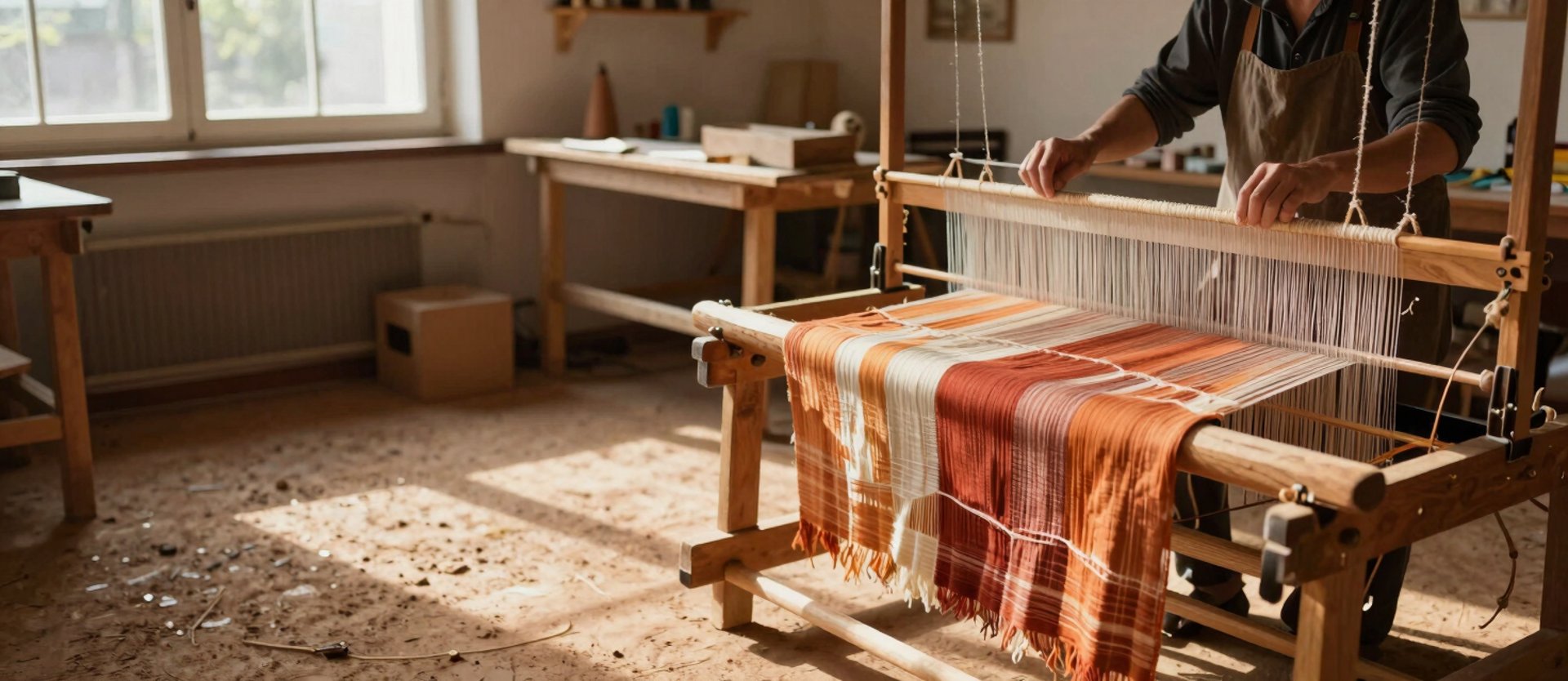
Two to eight weeks inside a living culture
Resident hosts set the calendar. You follow their work, their seasons, and their knowledge — not a tourist itinerary someone else wrote.
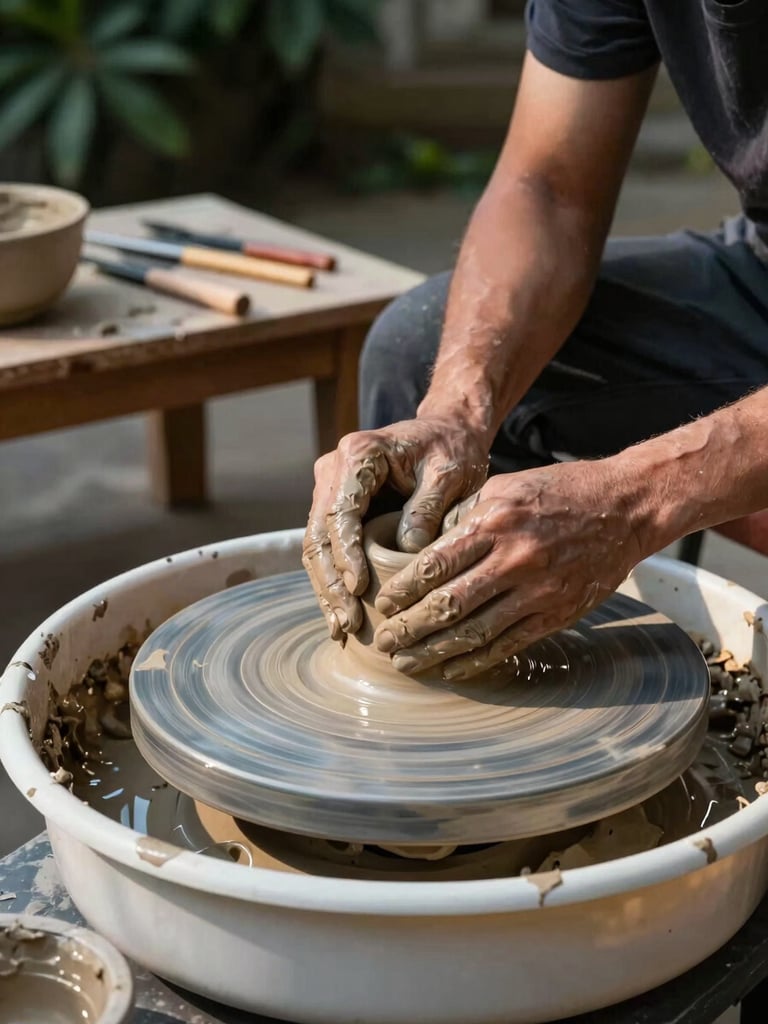
Craft, food, or language — structured by the community
Weeks structured around a maker's actual practice
Programs run two to eight weeks on a schedule the host community sets — aligned to their production cycles, not your availability window. You work alongside, not in observation.
Stays are with local families or community-run lodgings. Every night's accommodation fee circulates inside the destination.
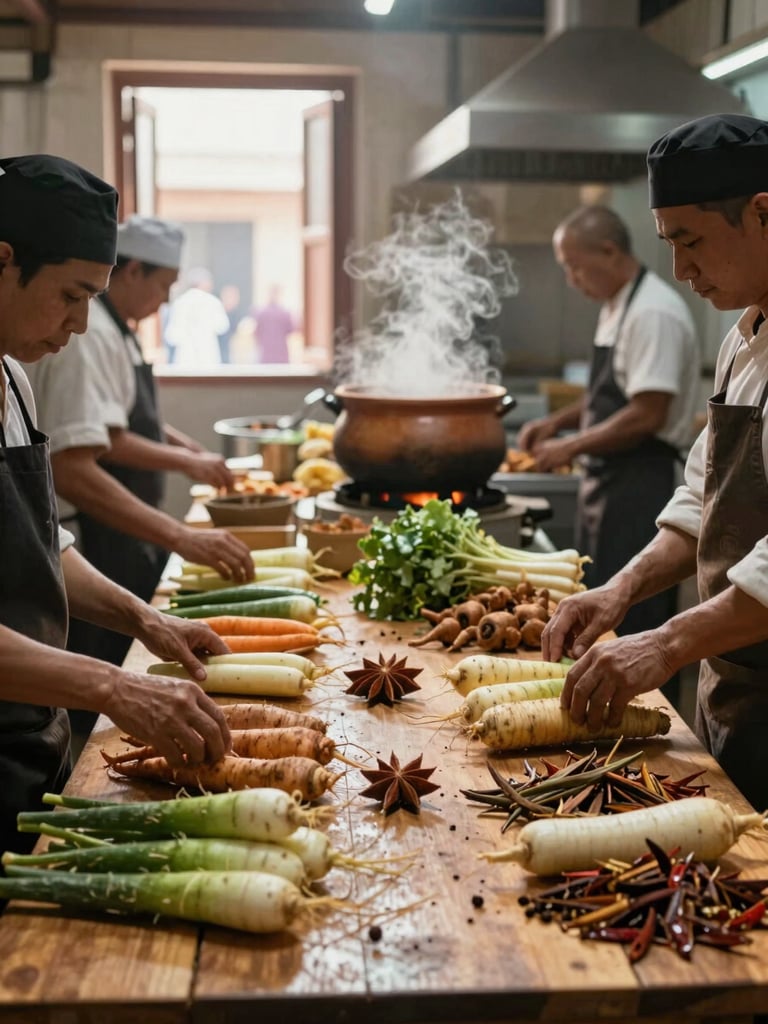
Markets, kitchens, and the knowledge behind both
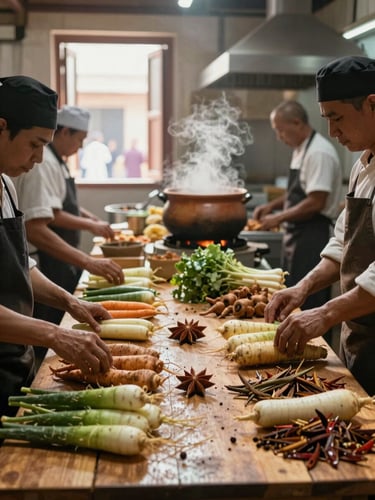
Food programs move through sourcing, preparation, and the social occasions that food organizes. The host kitchen is a classroom with its own hours and its own teachers.
Language and cultural context materials arrive before you do — so the first day in the kitchen is a working day, not an orientation.
Listening is the first skill the program builds
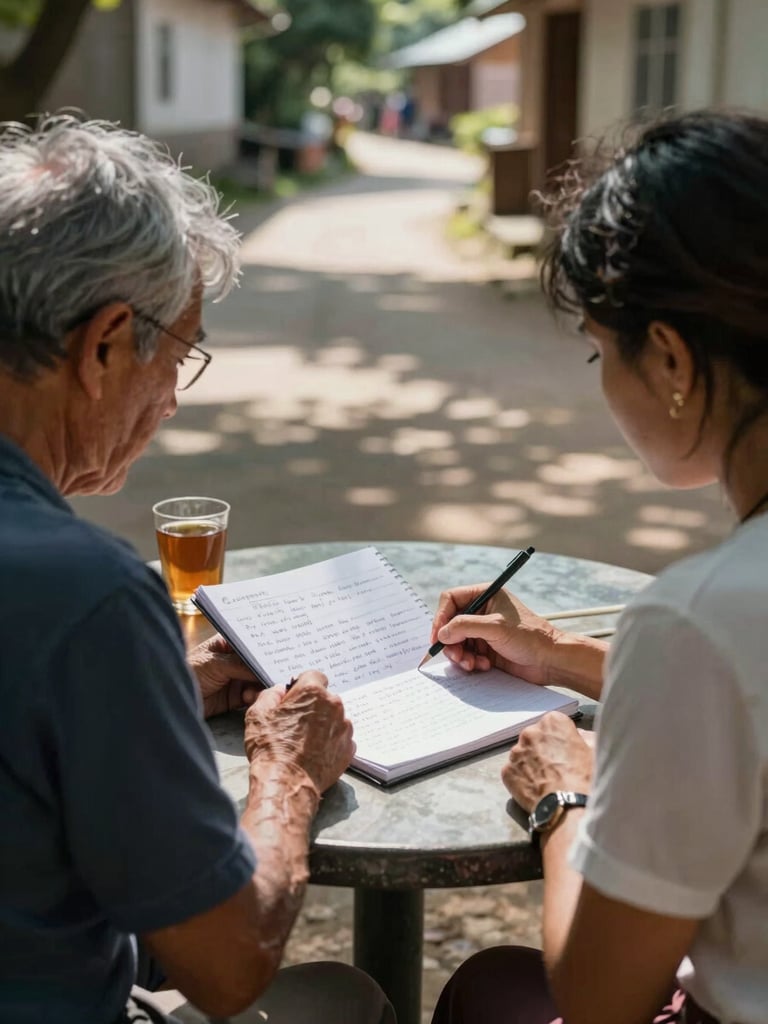
Language preparation is sent weeks before arrival — vocabulary, social protocols, and the cultural context that makes a word mean what it actually means to the people who use it.
The resident host decides the pace. The relationship deepens across the full stay, not across a single afternoon session.
The program belongs to us first
"We designed the weaving schedule around our dry season — when the light is right and the work is at its fullest. Visitors arrive into that, not the other way around." — Amara, textile host, West Africa
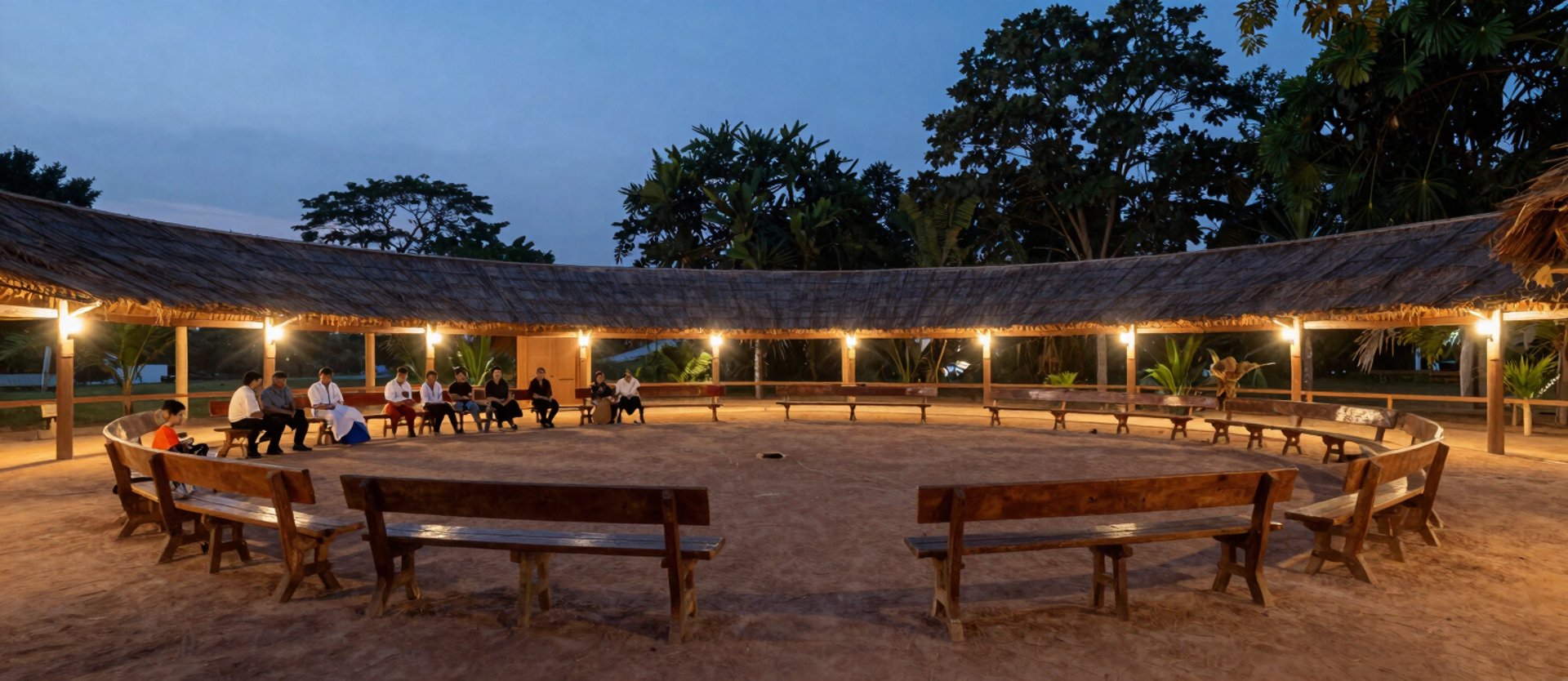
"Before the first participant arrived, ICARE asked us what we needed from the relationship, not what they wanted to offer. That conversation took three months. It was worth every week." — Lena, community coordinator, Southeast Asia
Each program opens on the host's schedule
Current openings are listed by destination and track. Inquiry takes two minutes; we respond within two business days with what's available and what each program requires from you.